- 57 young people from 6 countries participate; share youth policy examples from member governments and hear recommendations from youth representatives -
- Held as an international partnership program of the “2026 World Gyeongju Forum”, Sharing youth policies and exploring ways to foster interregional cooperation -
- Fostering friendship among youth participants through various exchange programs, including a cultural tour of Gyeongju -
The NEAR Secretariat held the “2026 NEAR Youth Policy Forum” from Thursday, October 8, to Saturday, October 10, in Gyeongju, Gyeongsangbuk-do Province. The event brought together 57 young people from six countries—China, Japan, South Korea, Mongolia, Russia, and Vietnam—as well as officials responsible for youth policy and exchange programs from member governments.
This event was organized as an extension of the “NEAR Youth Leaders Forum” that the NEAR Secretariat has hosted annually. This year, it was held as an international cooperation program of the “2026 World Gyeongju Forum,” hosted by the Ministry of Culture, Sports and Tourism, organized by the Korea Foundation for International Cultural Exchange, and supported by Gyeongsangbuk-do Province and Gyeongju City.
The main event, held on October 9 at the Gyeongju Hwabaek Convention Center (HICO), began with an opening address by NEAR Secretary-General Lim Byung-jin, followed by presentations on youth policy case studies from member governments, presentations by youth representatives from six countries, a panel discussion, and a question-and-answer session.

In his opening remarks, Secretary-General Lim emphasized, “Even amid rapidly changing global and Northeast Asian circumstances and deepening conflicts and rivalries between nations, exchanges and cooperation between regional governments and youth must continue,” adding, “Youth policy is a core future investment strategy that determines the sustainability of the nation and society.”
He also noted that “youth exchanges are a valuable asset for future cooperation between nations and regions,” expressing his intention to continuously expand opportunities for youth exchanges within the NEAR framework.
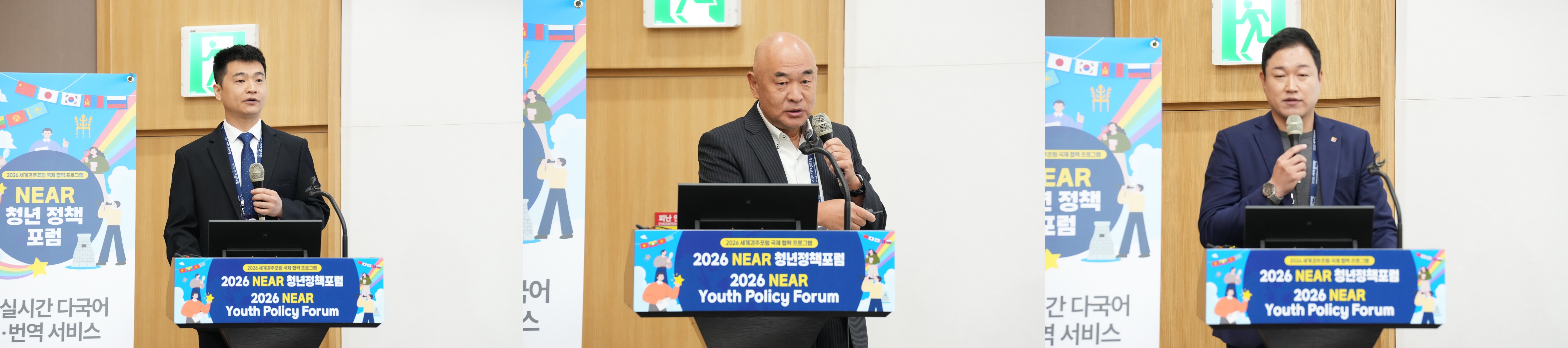
In the subsequent Session 1, officials engaging in youth policies and exchanges from five regions—Shaanxi Province, China; Shimane Prefecture, Japan; Gyeongsangbuk-do Province, South Korea; Tuv Aimag, Mongolia; and Tomsk Oblast, Russia—presented their regions’ key youth policies and exchange case studies with a theme of “Introduction of Youth Policies from Regional Governments and Plans for NEAR-Linked Cooperation.”
Jia Jianfeng, Deputy Chief Secretary of the Secretariat of the Shaanxi Provincial Youth Association in China, introduced Shaanxi’s key policies supporting all aspects of young people’s lives—including employment, entrepreneurship, housing, cultural life, and talent development—and emphasized the importance of creating an environment where young people can settle down and thrive in their communities.
Shuichiro Matsuo, Director of the Culture and International Affairs Division of Shimane Prefecture, Japan, presented examples of international youth exchange programs that Shimane Prefecture has been promoting for a long time and explained the importance of mutual understanding and cooperation through sustained inter-regional exchange.
Son Dong-gwang, Chair of the Gyeongsangbuk-do Youth Policy Coordination Committee, introduced the province’s key youth policies and examples of youth participation in policymaking, and presented the experience of reflecting local youth voices in policy as a way to foster exchange and cooperation among young people in Northeast Asia.
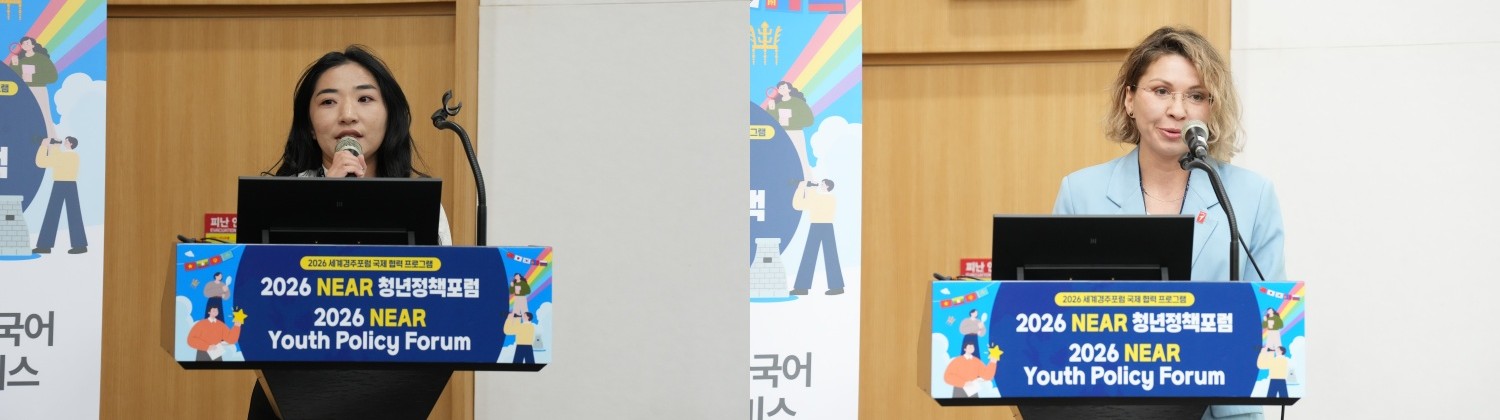
Munkhtsetseg Altanchimeg, a teacher at the 4th Comprehensive School in Junmodsom, Tuv Aimag, Mongolia, introduced the various challenges faced by Mongolian youth—such as education, employment, and housing—along with related policies. She noted the need to share best practices and experiences from each region through NEAR to address common challenges.
Maria Andolshik, Steering Committee Chair of Tomsk Oblast Branch of the All-Russian Children’s and Youth Movement “Movement of the First,” introduced various activities and case studies supporting youth development, social participation, and international exchange, drawing on the unique characteristics of Tomsk Oblast as a university city.

In Session 2, moderated by Choi Eun-mi, Senior Research Fellow at the Asan Institute for Policy Studies, youth representatives from six countries—China, Japan, South Korea, Mongolia, Russia, and Vietnam—delivered presentations on the theme of “Youth Cultural Exchange in the Digital Age.”
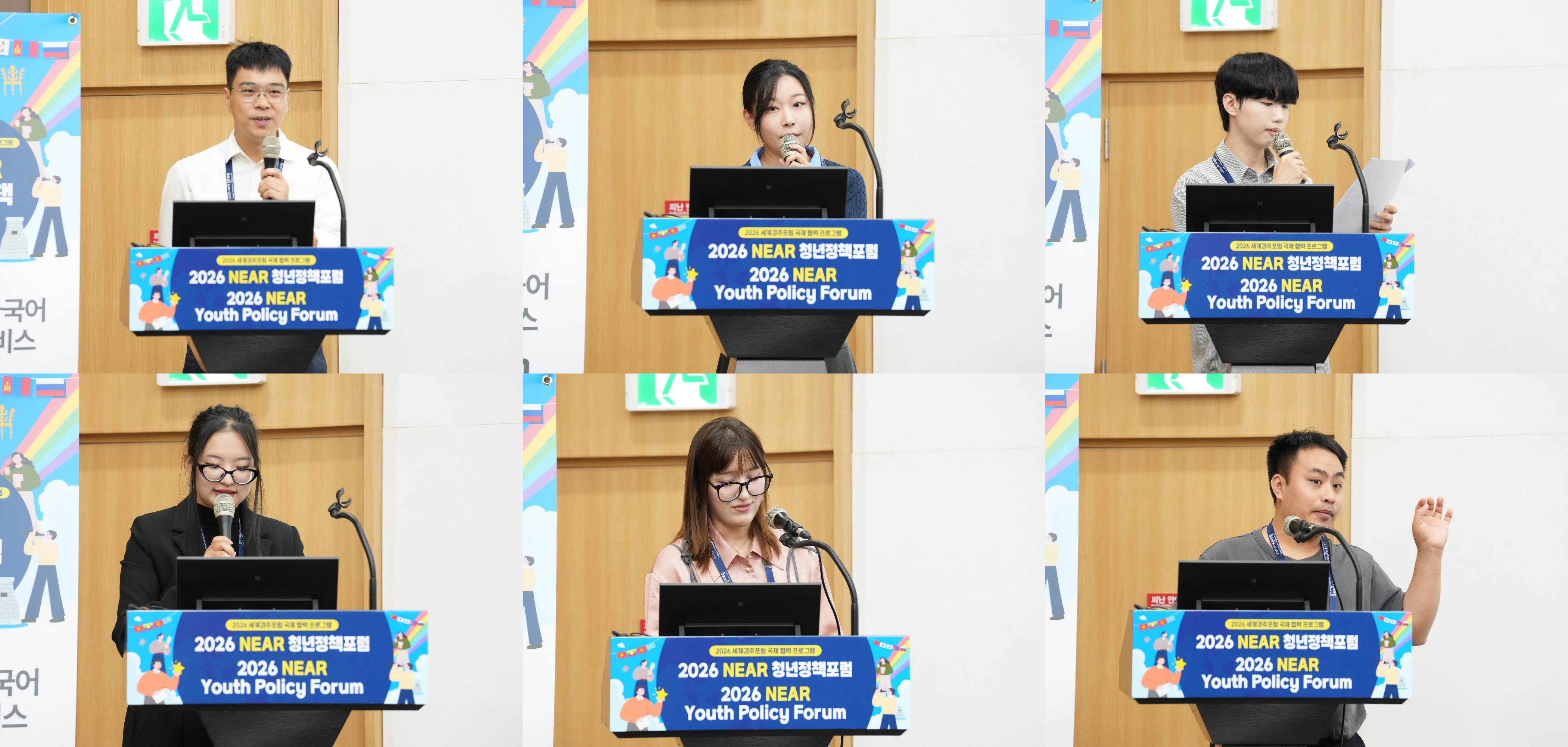
Drawing on their own experiences, the youth representatives from each country proposed ways to promote communication and cultural exchange between nations and regions using digital technology and online platforms, and emphasized the need to expand opportunities for young people to participate in international exchanges.
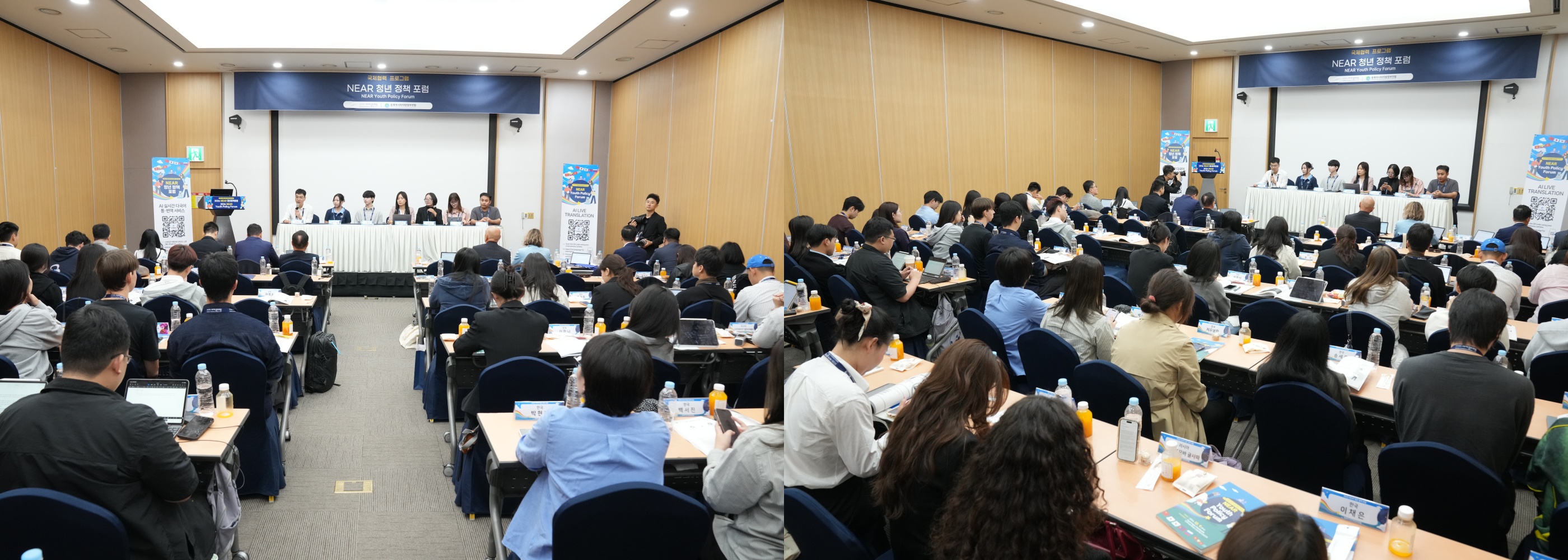
During the subsequent panel discussion and Q&A session, youth participants posed questions of their own to officials from member governments and youth representatives, and freely exchanged views on the development direction of youth policy and international exchange in their respective regions.

The event also featured an awards ceremony for the “2026 NEAR Gyeongbuk Travel Experience Essay Contest,” organized by the NEAR Secretariat for young people from member governments currently studying in Korea. Notably, the Best Award winner, Bi Ruiqi from China, personally presented his essay and shared his experiences and memories from his trip to Gyeongsangbuk-do with the participants.
Meanwhile, in addition to policy presentations and discussions, the forum featured various exchange programs designed to help youth participants understand each other’s cultures and build friendships.

On October 8, the first day of the event, participants took part in an orientation and exchange programs, providing an opportunity for young people from different countries and cultural backgrounds to greet one another and build friendship.

Furthermore, on October 9 and 10, participants toured major historical and cultural sites in the Gyeongju area, experiencing Korean traditional culture and local characteristics firsthand, thereby broadening their cultural understanding of one another.
The forum was particularly significant as it brought together youth policy and exchange officials from NEAR member governments and the young people themselves—the direct beneficiaries of these policies—to share policy experiences from their respective regions and jointly discuss the future direction of policy and exchange from a youth perspective. It also served as an opportunity for young people from various countries to understand each other’s policies and cultures and explore possibilities for continued exchange and cooperation.
※ Related Media Coverage
[International News] Solidarity among youth from 6 Northeast Asian countries: Discussing the Future in the Millennium-old city of Gyeongju
[Wikitree] Youth from 6 Northeast Asian countries hold youth policy forum in Gyeongju
[The Sen News] NEAR discusses the future of youth policy and exchange in Northeast Asia with youth from 6 countries